
Tackling Stock Market Rumors: A 24-Hour Response
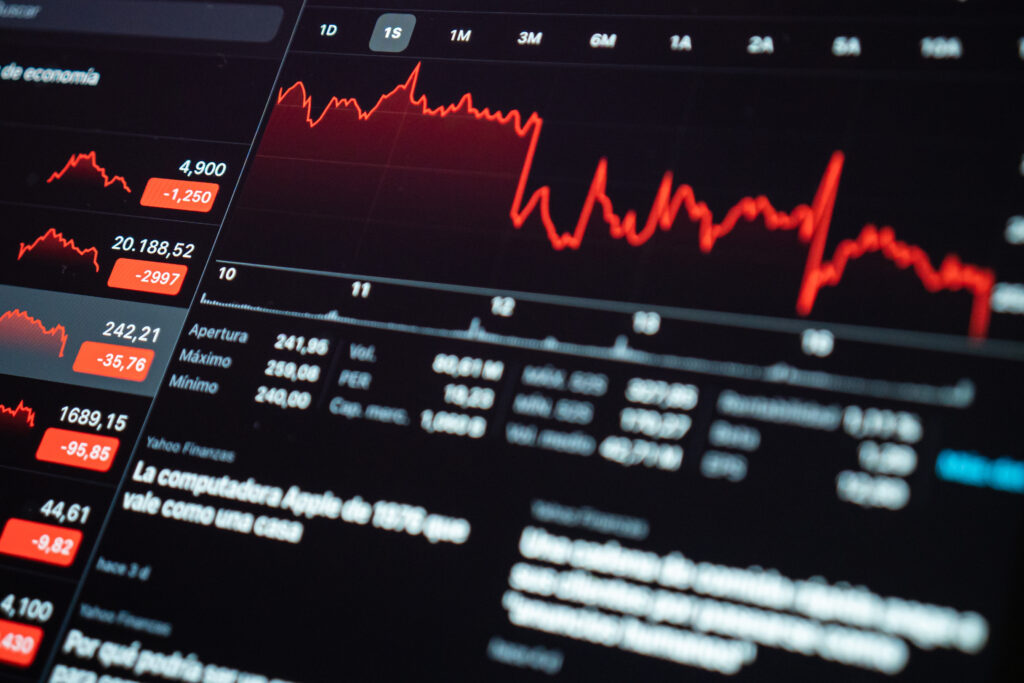
In the fast-paced world of finance, rumors can spread like wildfire, potentially causing significant disruptions in the stock market. Recently, a high-profile rumor made waves, but within an impressive 24-hour timeframe, it was effectively addressed, showcasing the efficiency and resilience of modern market mechanisms. This blog delves into the incident, examining how the rumor emerged, the steps taken to manage it, and the broader implications for market stability and investor confidence. We will also address frequently asked questions about the incident and its aftermath. The Emergence of the Rumor 1. The Origin Stock market rumors can originate from various sources, including social media, news outlets, and industry insiders. In this case, the rumor began circulating on multiple platforms, suggesting that a major corporation was facing severe financial distress and potential bankruptcy. 2. Initial Market Reaction As soon as the rumor hit the market, panic ensued. Investors, fearing the worst, began selling off shares, leading to a sharp decline in the stock price of the affected company. The ripple effect was felt across the market, with related stocks and sectors also experiencing volatility. Immediate Response Measures 1. Company’s Rapid Communication The first crucial step in addressing the rumor was the swift response from the company at the center of the controversy. Within hours, the company issued an official statement denying the claims, providing evidence of its financial stability, and reassuring investors of its robust position. 2. Regulatory Involvement Regulatory bodies, including the Securities and Exchange Board of India (SEBI), promptly stepped in to investigate the origins of the rumor. They issued warnings against spreading unverified information and assured the market of stringent actions against those found guilty of market manipulation. 3. Media Clarification Major news outlets played a pivotal role in dispelling the rumor. Reputable financial journalists and analysts quickly debunked the false claims, emphasizing the company’s solid financial health and undermining the credibility of the initial sources of the rumor. Market Stabilization 1. Rebound in Stock Prices Following the swift and decisive actions taken by the company, regulators, and media, investor confidence began to recover. The stock price, which had plummeted in the wake of the rumor, started to stabilize and gradually rebounded as the market digested the clarifications. 2. Restoration of Investor Confidence The coordinated response demonstrated the effectiveness of rapid communication and regulatory oversight in maintaining market stability. Investors were reassured that mechanisms were in place to protect their interests and address false information swiftly. Implications for the Stock Market 1. Importance of Swift Communication The incident highlighted the critical role of timely and transparent communication from companies. By addressing rumors head-on and providing clear evidence to counter false claims, companies can mitigate panic and protect their stock prices. 2. Role of Regulatory Bodies Regulatory bodies must remain vigilant and proactive in monitoring market activity and investigating suspicious behavior. Their involvement is crucial in maintaining market integrity and preventing manipulation. 3. Media’s Responsibility The media has a significant responsibility in ensuring accurate reporting and quickly addressing misinformation. Reputable news sources can help stabilize the market by providing balanced and factual coverage. Lessons Learned 1. Preparedness and Crisis Management Companies should have crisis management plans in place to address rumors and misinformation promptly. Preparedness can make a substantial difference in how quickly and effectively they can respond to market disturbances. 2. Investor Education Educating investors about the importance of verifying information and remaining calm during market turbulence is essential. Informed investors are less likely to react impulsively to rumors. 3. Technological Tools Leveraging technology for real-time monitoring of market sentiment and rumors can provide early warning signs and enable faster responses. Advanced analytics and AI can play a crucial role in this regard. Frequently Asked Questions (FAQ) Q1: What was the rumor about, and how did it affect the stock market? The rumor suggested that a major corporation was facing severe financial distress and potential bankruptcy. This caused panic among investors, leading to a sharp decline in the company’s stock price and volatility in related sectors. Q2: How did the company respond to the rumor? The company issued an official statement within hours, denying the claims and providing evidence of its financial stability. This rapid communication was crucial in addressing investor concerns and stabilizing the market. Q3: What role did regulatory bodies play in addressing the rumor? Regulatory bodies like SEBI quickly stepped in to investigate the origins of the rumor, issued warnings against spreading unverified information, and assured the market of actions against those found guilty of manipulation. Q4: How did the media contribute to dispelling the rumor? Major news outlets and financial analysts debunked the false claims, emphasizing the company’s solid financial health and providing balanced and factual coverage, which helped stabilize the market. Q5: What are the broader implications of this incident for the stock market? The incident underscores the importance of swift communication, regulatory vigilance, and responsible media reporting in maintaining market stability and protecting investor interests. Q6: What lessons can be learned from this incident? Key lessons include the importance of crisis management plans, investor education, and leveraging technology for real-time monitoring and response to market rumors. Conclusion: Strengthening Market Resilience The swift response to the recent stock market rumor demonstrates the resilience and efficiency of modern market mechanisms. By addressing misinformation promptly and transparently, companies, regulators, and the media can mitigate panic, restore investor confidence, and maintain market stability. As we move forward, it is crucial to continue refining these processes, enhancing communication strategies, and leveraging technology to ensure a robust and resilient stock market ecosystem.
Tackling Stock Market Rumors: A 24-Hour Response Read More »